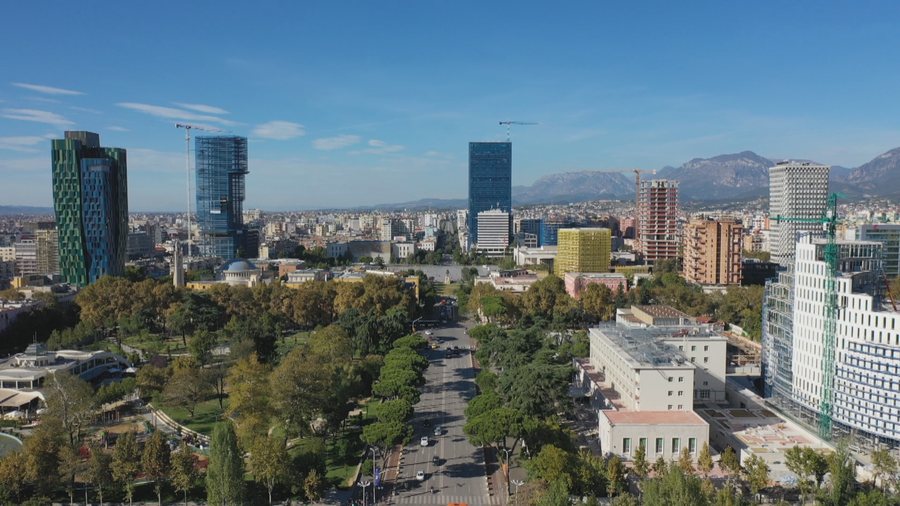
Albania’s economy has continued its upward trajectory, showing steady growth despite global economic uncertainty. Recent data indicate that domestic demand and tourism have played a decisive role. Government officials describe the trend as encouraging. Analysts remain cautiously optimistic about sustainability.
Economic growth has been supported by multiple sectors, including construction, energy, and services. These industries have helped maintain momentum throughout the year. Infrastructure projects have boosted activity across regions. As a result, overall economic confidence has improved.
Tourism remains one of the strongest contributors to Albania’s economic performance. The country has recorded a sharp increase in foreign visitors. Hotels, restaurants, and transport services have benefited significantly. Seasonal employment has also increased as a result.Coastal areas and major cities have seen strong tourism-related investment. New hotels and accommodation facilities continue to open. Improved infrastructure has enhanced visitor access. Authorities aim to promote year-round tourism growth.
Employment indicators show gradual improvement across the labor market. The service sector has absorbed a large portion of new jobs. Tourism and construction remain key employers. However, rural employment challenges persist.
Wage growth has gained attention amid rising living costs. Public sector salaries have seen gradual increases. Private sector wages have also improved, though unevenly. Officials stress the need to align wage growth with productivity.Inflation has affected household spending patterns in recent months. Higher food and energy prices have pressured family budgets. The government has introduced targeted support measures. These policies aim to protect vulnerable groups.
Pension reform continues to be a central economic issue. Albania’s aging population places increasing pressure on the pension system. Authorities have implemented incremental pension increases. Long-term sustainability remains a priority.
Pension levels, however, remain modest for many retirees. Rising prices have reduced purchasing power. Social protection policies are under review. Officials have pledged continued adjustments.The banking sector remains stable and well-capitalized. Financial institutions have maintained strong liquidity levels. Improved supervision has reduced financial risks. Public confidence in banks remains high.
Lending activity has expanded moderately. Businesses continue to seek financing for growth. Housing loans have also increased. Digital banking services have improved customer access.
Small and medium-sized enterprises play a vital role in economic growth. Many SMEs operate in tourism and services. Access to finance remains a challenge for some businesses. Support programs aim to boost entrepreneurship.
Public investment has supported economic expansion. Large infrastructure projects have generated jobs. Road and energy investments remain priorities. These projects are expected to improve long-term productivity.Energy production continues to be a strategic sector. Hydropower remains the dominant energy source. Diversification efforts are underway. Renewable energy projects are attracting interest.
Trade activity has expanded alongside domestic growth. Exports have increased modestly. Imports have also risen due to higher consumption. Managing the trade balance remains important.
Youth employment remains a concern for policymakers. Many young Albanians continue to seek opportunities abroad. Vocational training programs have expanded. The goal is to reduce skills mismatches.
Digitalization is transforming Albania’s economy. Online services have improved efficiency in both public and private sectors. Businesses increasingly adopt digital tools. This trend supports competitiveness. Regional development remains uneven across the country. Urban centers grow faster than rural areas. Investment incentives target underdeveloped regions. Balanced growth is a stated policy objective.
Foreign direct investment continues to support key sectors. Tourism, energy, and real estate attract the most interest. Stable macroeconomic policies encourage investors. Long-term confidence remains essential.
Fiscal discipline remains central to economic planning. Authorities aim to manage public debt responsibly. Budget efficiency is closely monitored. Sustainable finances support long-term growth.
Albania’s economic policies continue to align with European standards. Regulatory reforms aim to improve transparency. European integration remains a strategic goal. This alignment supports investor confidence.Overall, Albania’s economic outlook remains cautiously positive. Growth has been driven by tourism, wages, and investment. Challenges persist in pensions and employment. Continued reforms will shape future performance.
Comments are closed.